


Essential Prevention Strategies and Life-Saving Infrastructure
2025-08-03 00:29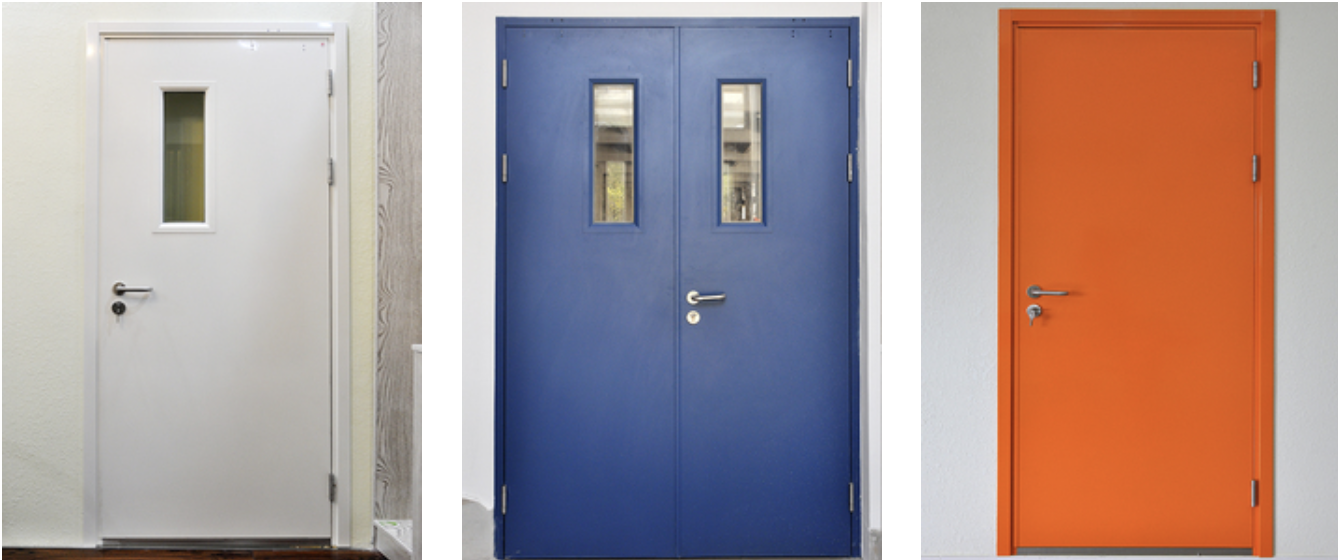
1. The Alarming Surge in Winter Fires: Data-Driven Risks
Winter sees a 50% increase in structure fires compared to summer, with heating equipment, electrical malfunctions, and holiday activities as primary catalysts. Carbon monoxide incidents also spike by 137% due to poorly maintained furnaces or boilers releasing toxic fumes. These trends stem from two factors: extreme cold drying the air (accelerating combustion) and intensified use of heat sources like space heaters, fireplaces, and overloaded circuits. For instance, half of all U.S. home heating fires occur in December–February, while Christmas Day peaks for candle-related blazes. The economic and human costs are staggering—fires during this season cause disproportionate property damage and fatalities, underscoring non-negotiable prevention protocols.
2. Top Fire Causes and Prevention Tactics
A. Smoking Materials (6.2% of Fires)
Cigarettes and matches ignite at 800°C, far exceeding the ignition point of textiles (270°C–350°C). Embers can smolder for hours before erupting into flames.
Prevention: Designate outdoor smoking zones ≥10 ft from buildings; use deep, sturdy ashtrays; douse butts with water before disposal.
B. Electrical Failures (32.2% of Fires)
Overloaded circuits, frayed wires, and faulty appliances trigger catastrophic fires. Space heaters alone cause 43% of winter heating fires.
Prevention:
Plug heaters directly into wall outlets (never extension cords).
Maintain 3 ft clearance from combustibles (furniture, curtains).
Replace damaged cords and avoid "daisy-chaining" power strips.
C. Cooking Mishaps (18% of Fires)
Unattended stovetops, grease accumulation, and misplaced combustibles near flames are key risks.
Prevention:
Never leave cooking food unattended; use timers.
Keep dish towels, oven mitts, and packaging away from heat sources.
Install range hoods to vent smoke and fumes.
D. Open Flames and Play (70–80% of Holiday Fires)
Children playing with matches and fireworks/sparklers (burning at 1,200°C) lead to avoidable tragedies.
Prevention:
Store lighters/matches in locked cabinets.
Use battery-operated candles for decor.
Ban home fireworks; attend professional displays instead.
3. Passive Fire Protection: The Critical Role of Fire-Rated Infrastructure
When prevention fails, fire doors, windows, and barriers compartmentalize flames and smoke, buying evacuation time.
Fire Doors
Function: Withstand fire for 20–90 minutes (rated FD30/FD60/FD90), containing spread and protecting escape routes.
Installation:
Must open toward escape paths with ≤4mm side gaps and ≤9mm floor clearance.
Require self-closing hinges and intumescent seals that expand under heat to block smoke.
Steel Fire Doors
Advantages: Superior structural integrity vs. wood/glass; 1.2mm galvanized steel resists warping at 1,000°C+.
Applications: High-risk areas like stairwells, kitchens, and electrical rooms.
Fire Roller Shutters
Use Cases: Seal warehouse entrances, atriums, or large openings automatically during fires.
Compliance: Must integrate with building alarm systems for automatic deployment.
Maintenance Tip: Test door closures monthly; replace damaged seals/hardware immediately. Records prove compliance during safety audits.
4. Emergency Preparedness: Minimizing Loss When Prevention Fails
Proactive Measures
Smoke/CO Alarms: Install on every floor and in bedrooms. Replace units every 10 years; test batteries bi-annually (e.g., July 4 and Christmas).
Fire Extinguishers: Place ABC-type extinguishers in kitchens, garages, and hallways. Train household members in the "PASS" technique (Pull, Aim, Squeeze, Sweep).
Escape Plans: Conduct drills emphasizing "two exits per room" and outdoor meetup points.
During a Fire
Low Smoke Escape: Crawl under smoke; cover nose/mouth with a wet cloth.
Containment: Close doors behind you to slow fire spread.
No Elevators: Use stairs only.
Related product and article resources
For procurement comparison and technical evaluation, readers can continue with these related product pages and supporting articles.
- Products
- Product catalog
- Contact the sales team
- Contact us
- 120 Minute Fire Rated Steel Doors With Frame For Industrial Buildings
- 60 Min vs 90 Min vs 120 Min Fire Rated Doors: Key Differences
- 90 Minute Fire Rated Steel Door Supplier For Commercial Building Projects
- Bulk Fire Rated Door Sets From China For Hotel And Apartment Developers