


Fire Rated Doors For Project Tender: What Buyers Should Prepare
2026-05-26 15:56Fire Rated Door Tender Preparation Guide
Fire Rated Doors For Project Tender: What Buyers Should Prepare
Fire rated door tender projects require accurate technical documents, clear door schedules, correct fire ratings, complete hardware requirements, suitable frame specifications and reliable delivery planning. For contractors, developers, distributors and overseas project buyers, preparing complete tender information before contacting suppliers can help reduce quotation errors, missing accessories, hidden costs, wrong specifications and project delays. A professional fire rated door supplier can support commercial buildings, hotels, apartments, hospitals, schools, factories, warehouses and public facility projects with project-based solutions.
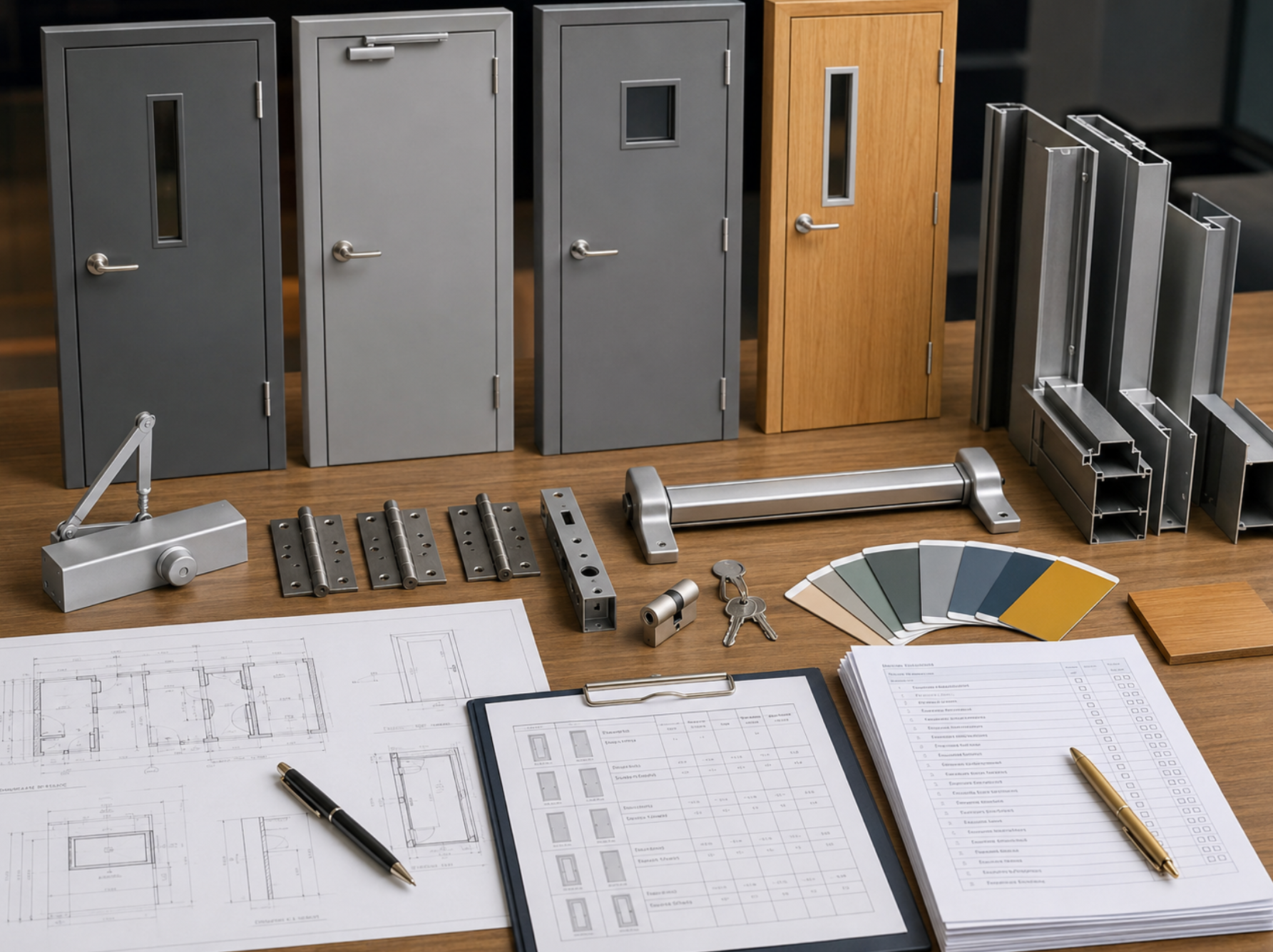
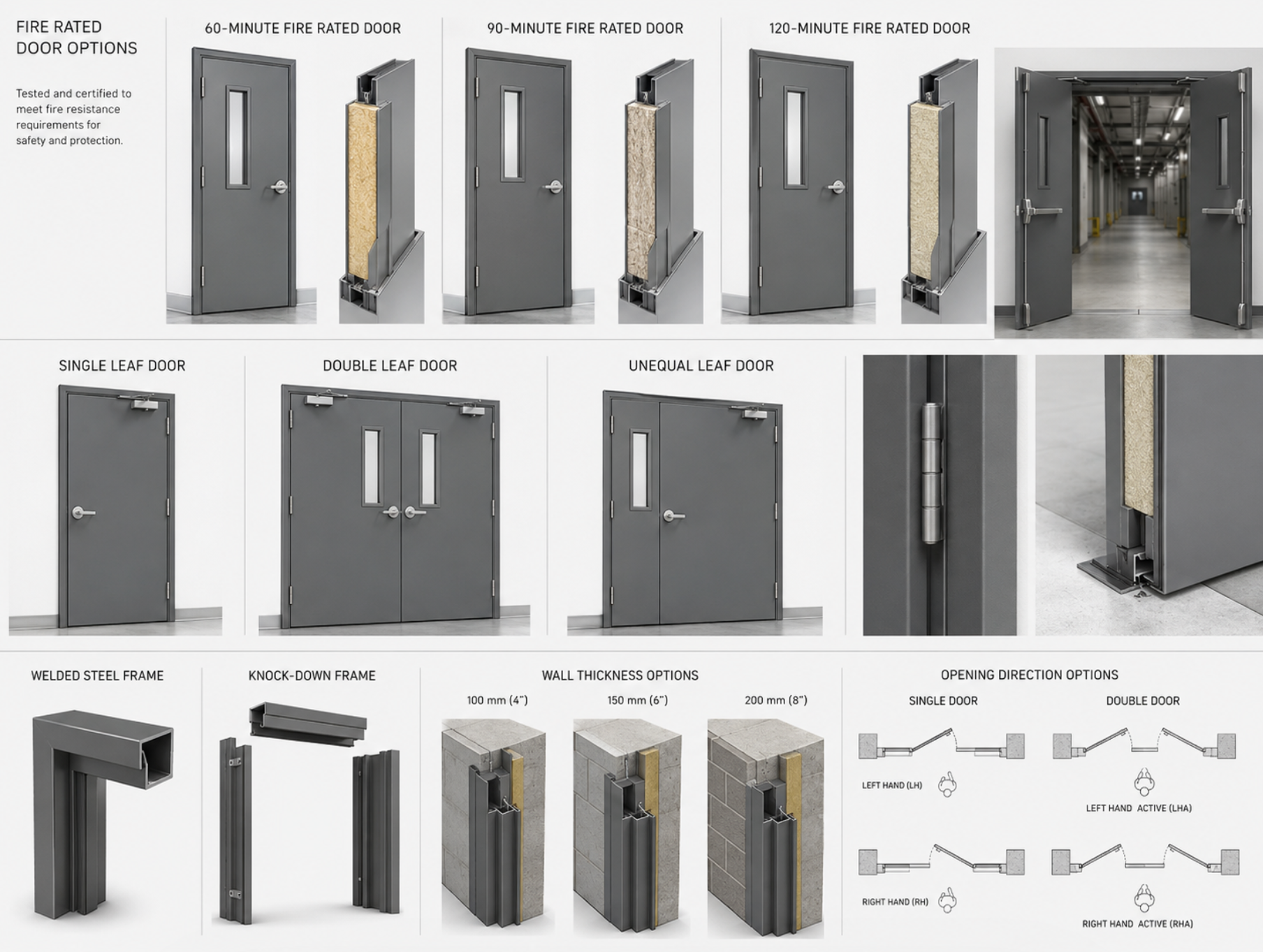
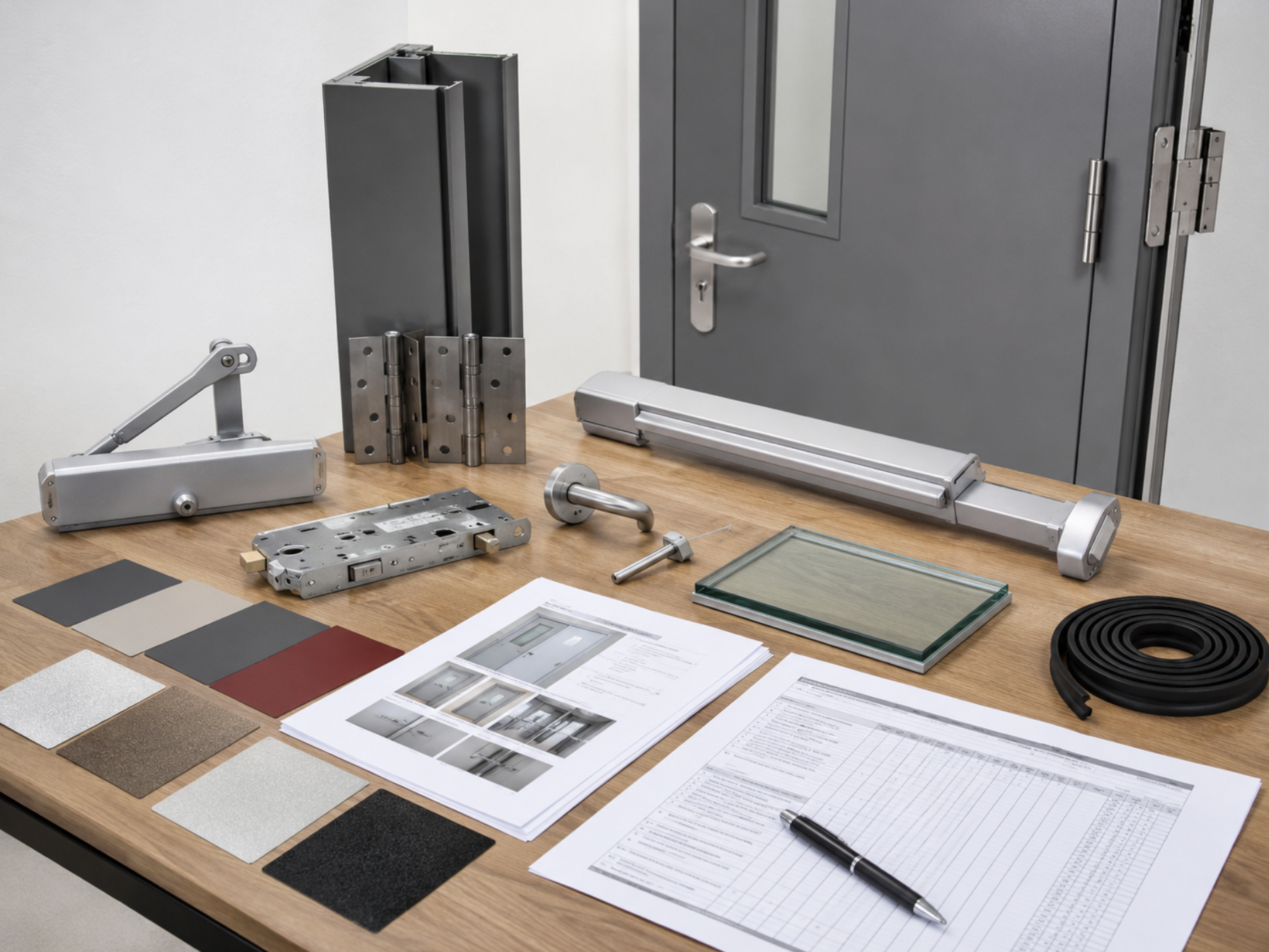
A door schedule is the most important document for a fire rated door tender. It should clearly list door number, location, size, fire rating, door type, frame type, opening direction, hardware requirement, surface finish and quantity. Without a clear door schedule, suppliers may only provide a rough estimate instead of an accurate project quotation. In many tender projects, different doors may look similar but require different configurations. A stairwell fire door, hotel corridor fire door, apartment basement door, hospital equipment room door, warehouse fire separation door and emergency exit door may have different fire ratings, sizes, frames, locks, closers and panic bars. Buyers should organize all doors by building area and application before requesting prices. This helps the supplier identify missing information, avoid wrong assumptions and provide a more reliable fire rated door tender quotation. Door number, size, rating, location, hardware and quantity. Floor plans, opening details, wall thickness and installation conditions. Fire rating, door structure, frame type, finish and hardware package. Clarify whether frame, hardware, packaging and delivery are included. Fire rating is a key item in any fire rated door tender. Buyers should confirm whether the project requires 60 minute, 90 minute, 120 minute or other fire resistance requirements. The fire rating may affect door structure, core material, steel thickness, frame design, hardware selection and final price. Door type should also be defined clearly. A tender may include steel fire doors, wooden fire doors, fire exit doors, single leaf doors, double leaf doors, unequal leaf doors, doors with vision panels, doors with louvers or doors with panic hardware. Each type should be listed separately to avoid quotation confusion. Frame type and opening direction must be confirmed before production. Welded frames, knock-down frames and custom frame profiles may have different costs and installation requirements. Left hand, right hand, inward opening and outward opening affect hinge position, lock direction, handle placement and panic bar layout. Hardware is often one of the most important cost differences in a fire rated door tender. Buyers should confirm whether the tender requires hinges, door closers, locks, lever handles, panic bars, coordinators, thresholds, intumescent seals, access control preparation or other accessories. If hardware is not listed clearly, quotations from different suppliers may not be comparable. Surface finish should also be included in the tender documents. Powder coating color, texture, anti-rust treatment, finish sample and appearance requirement can affect both cost and project quality. For hotels, apartments and commercial buildings, finish consistency is important. For factories and warehouses, durability and corrosion resistance may be more important. For larger projects, sample approval should be planned before mass production. Buyers can review the sample door size, frame profile, hardware position, closer operation, lock function, surface finish, vision panel and packaging method before confirming the full production order. Before comparing suppliers, buyers should confirm what the tender scope includes. Some quotations may include only the door leaf, while others may include frame, hardware, finish, vision panel, labels, packaging and delivery support. Without a clear tender scope, a lower price may hide missing items that increase the final project cost. Packaging and labels are especially important for overseas tender projects. Fire rated doors are large and heavy products. Door leaves, frames, surface coating, vision panels and hardware can be damaged during loading, sea freight, unloading and jobsite handling if packaging is not strong enough. Buyers should request clear door labels, packing lists, hardware box labels, packing photos and loading photos before shipment. Delivery schedule should also match construction progress to avoid delayed installation or unnecessary storage pressure on site. Preparing fire rated doors for a project tender requires more than a simple quantity list. Buyers should organize drawings, door schedules, fire ratings, door sizes, frame types, opening directions, hardware packages, surface finishes, samples, packaging and delivery requirements before requesting quotations. If you need fire rated doors for a project tender, send us your tender drawings, door schedule, fire rating, size list, frame type, hardware requirement, surface finish and quantity. JIAHUI can help review the details and provide a clear fire rated door quotation for your project. For procurement comparison and technical evaluation, readers can continue with these related product pages and supporting articles. Send your tender drawings, door schedule, fire rating, opening size, frame type, hardware list, surface finish and quantity. Our team will help you confirm the suitable configuration and provide a project quotation.1. Prepare A Clear Door Schedule Before Tender Quotation
Door Schedule
Project Drawings
Technical Specs
Tender Scope
2. Confirm Fire Rating, Door Type, Frame And Opening Direction
Fire Rated Door Tender Preparation Checklist
Tender Item What Buyers Should Prepare Why It Matters Project Type Commercial building, hotel, apartment, hospital, factory or warehouse Different buildings require different fire door configurations Door Schedule Door number, location, size, rating, type, hardware and quantity Helps suppliers quote accurately and avoid missing details Fire Rating 60 min, 90 min, 120 min or required fire resistance rating Affects door structure, frame design and hardware matching Door Size Opening width, opening height, wall thickness and tolerance Reduces frame mismatch and installation problems Frame Type Welded frame, knock-down frame or custom frame profile Affects installation, packing method and project compatibility Hardware Package Hinges, closer, lock, handle, panic bar, coordinator, threshold and seals Controls daily operation, safety and emergency evacuation function Surface Finish Powder coating, custom color, texture or anti-rust treatment Affects appearance consistency and long-term durability Sample Approval Sample door, frame profile, hardware operation and finish sample Reduces risk before bulk production starts Packaging And Delivery Protective film, foam, pallets, wooden crates, labels and shipment plan Prevents shipping damage and jobsite sorting confusion 3. Prepare Complete Hardware, Finish And Sample Approval Requirements
4. Confirm Tender Scope, Packaging, Labels And Delivery Schedule
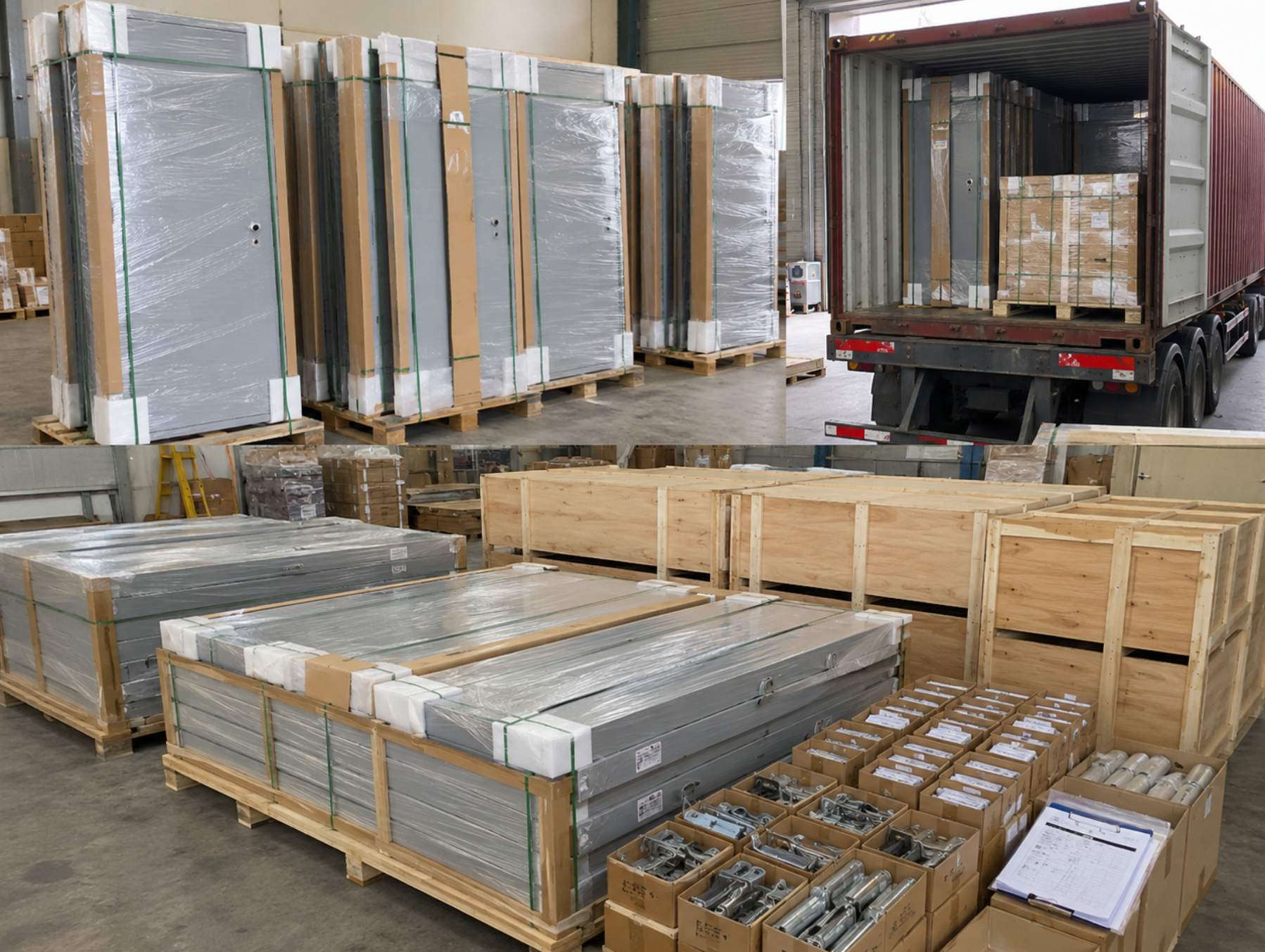
Information To Send For A Fire Rated Door Tender Quote
Conclusion: Complete Tender Information Leads To A More Accurate Quote
Need Fire Rated Doors For A Project Tender?
Related product and article resources